The History of it All
The story of Black maternal health is not just about medicine, it is about history, power, and survival. To understand the present crisis, we must first understand where it began.
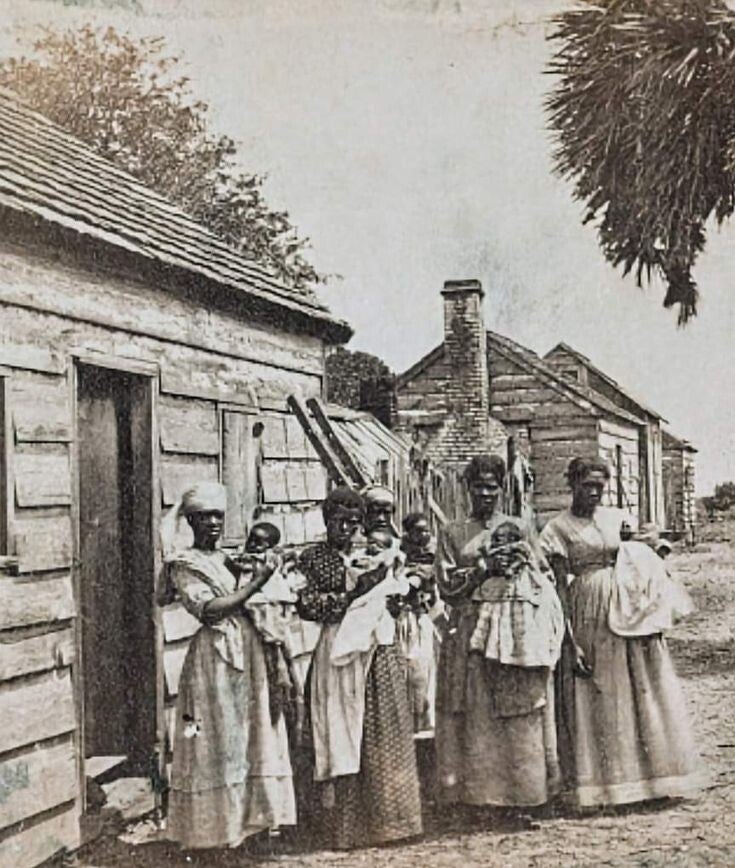
Foundations of Black Maternal Health
The history of Black maternal health in the United States is deeply rooted in slavery, systemic racism, and the ongoing struggle for bodily autonomy. During slavery, Black women were forced to bear children for economic gain, while also serving as caregivers and midwives within their communities. Despite having extensive knowledge of childbirth and healing, they had no control over their own reproductive choices (Jones, 2020).
After slavery, Black women continued to create their own systems of care through churches, mutual aid societies, and community networks. In places like Arkansas, these efforts were essential, as Black women were often excluded from formal healthcare systems. Their work not only supported families and communities but also laid the foundation for early forms of reproductive justice (Jones, 2020).

The Shift in Care
However, as the medical field became more regulated in the late 19th and early 20th centuries, many Black midwives were pushed out through restrictive laws and discriminatory practices. This shift moved childbirth away from community-based care and into a healthcare system that often marginalized Black women (ACLU, n.d.; JAMA Health Forum, 2021).
At the same time, broader movements for women’s rights did not equally benefit all women. In Arkansas and across the South, efforts for reform and suffrage often centered white women, leaving Black women to navigate both racial and gender inequality (Johnson, 2020; Jones, 2020).

Inequality in Reform Movements
These historical patterns continue to shape maternal health outcomes today. Black women still face higher risks during pregnancy and childbirth, not because of biological differences, but due to the lasting impact of systemic inequality, limited access to care, and bias within the healthcare system (JAMA Health Forum, 2021).To fully understand today’s disparities, it is important to look deeper at how healthcare systems, policies, and bias continue to affect Black mothers.
Create Your Own Website With Webador